

18 February 2026 – Chandigarh, India
Bridging Borders for Sustainable Innovation in Punjab
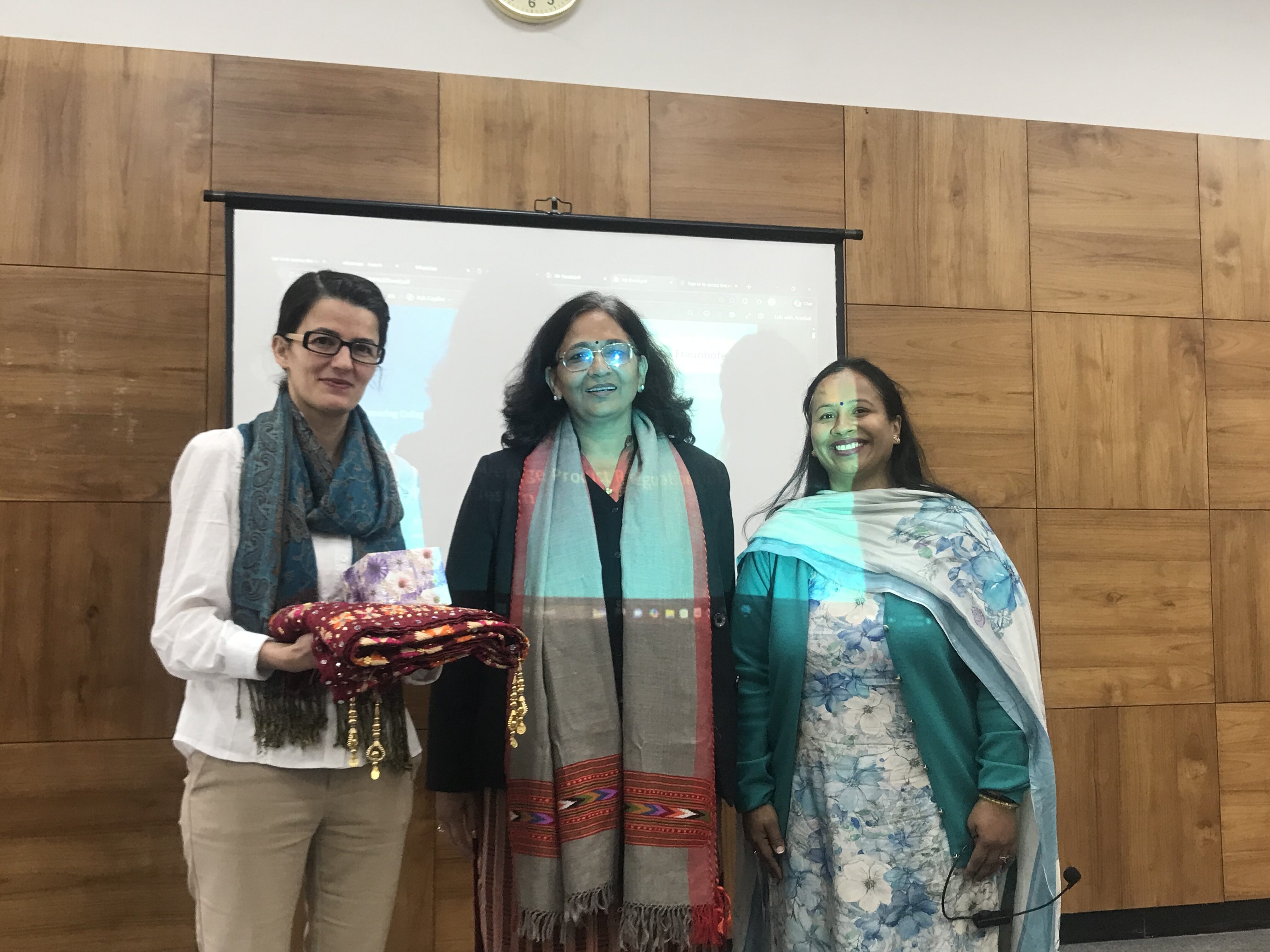
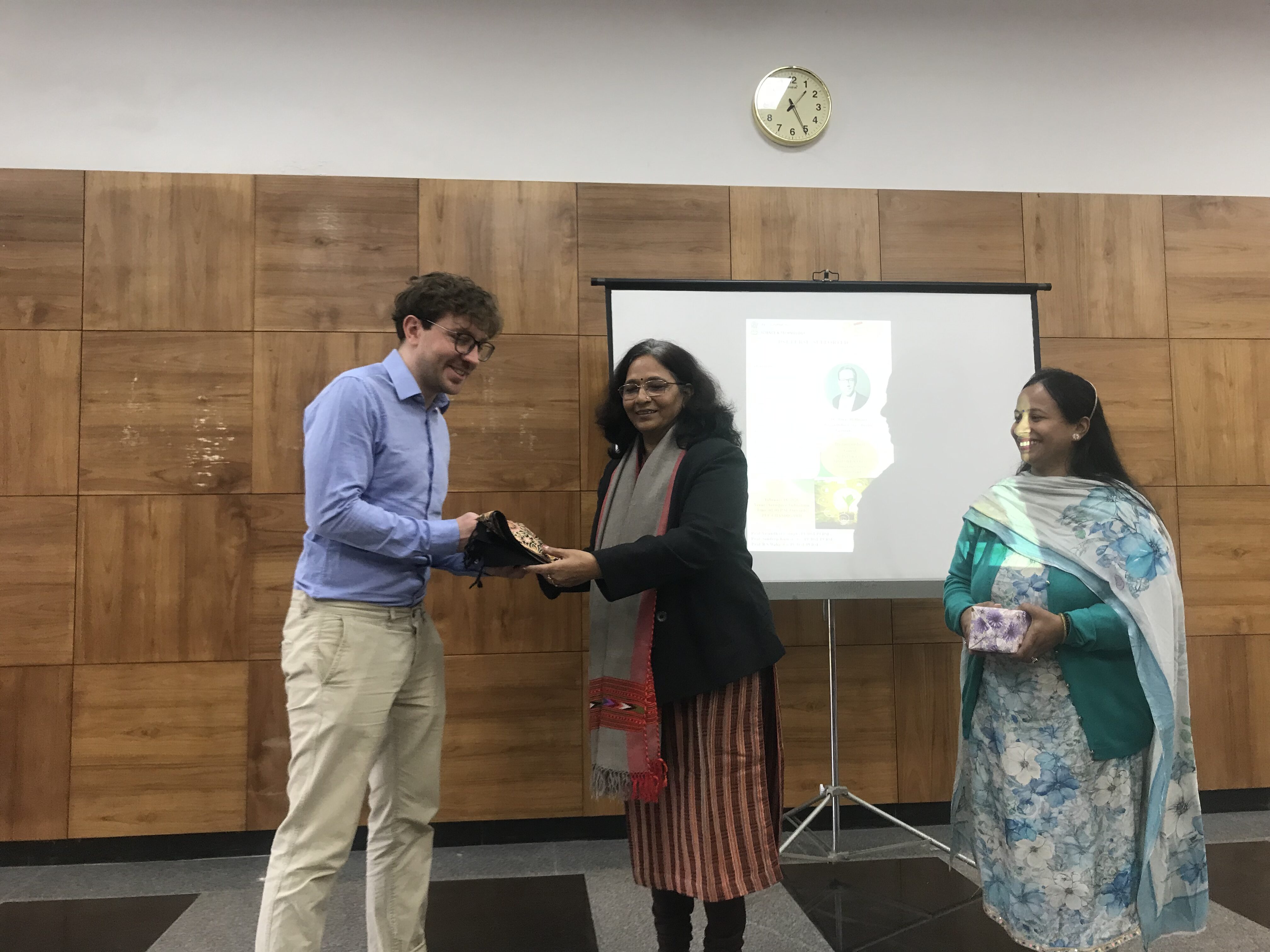
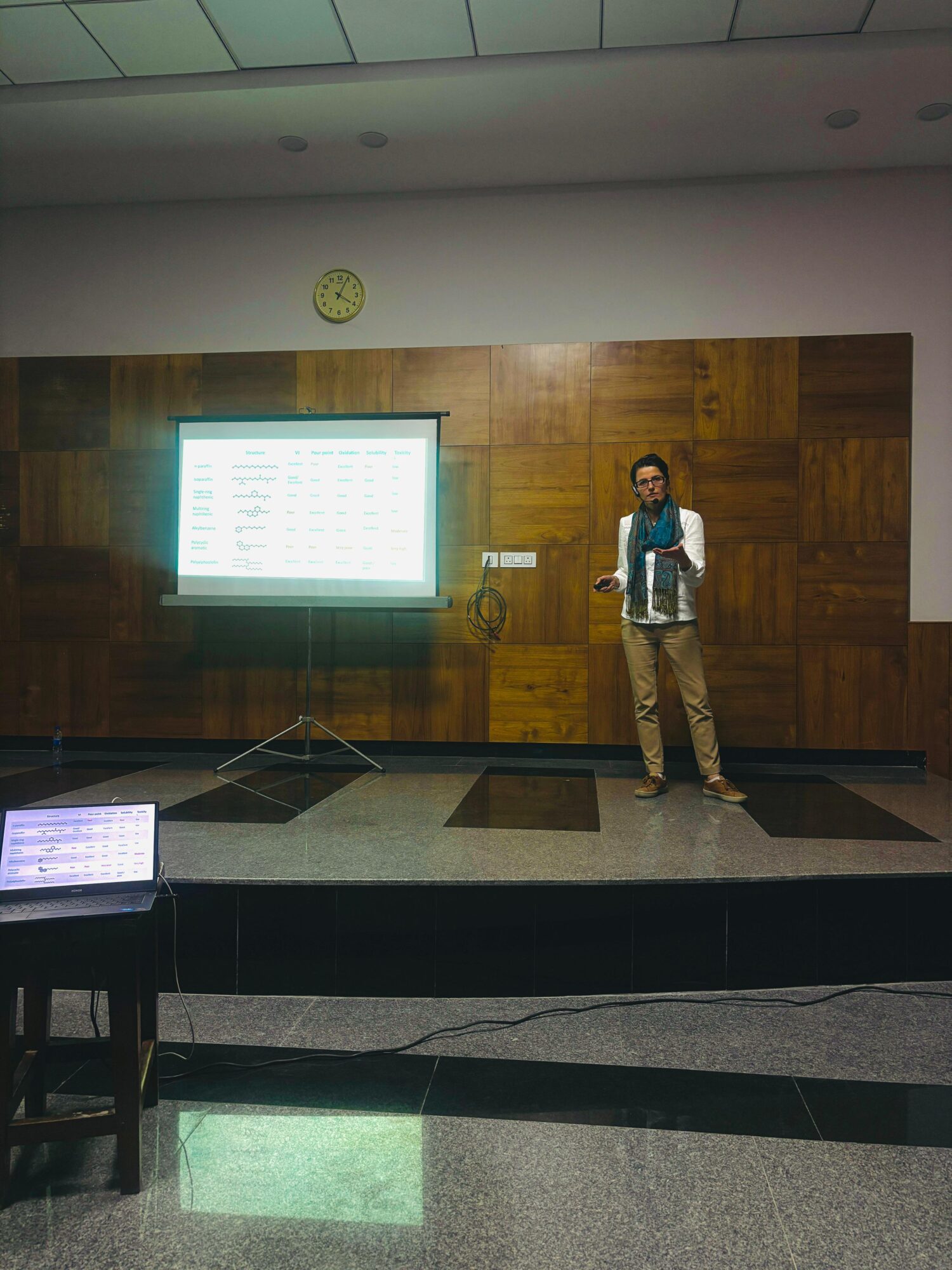
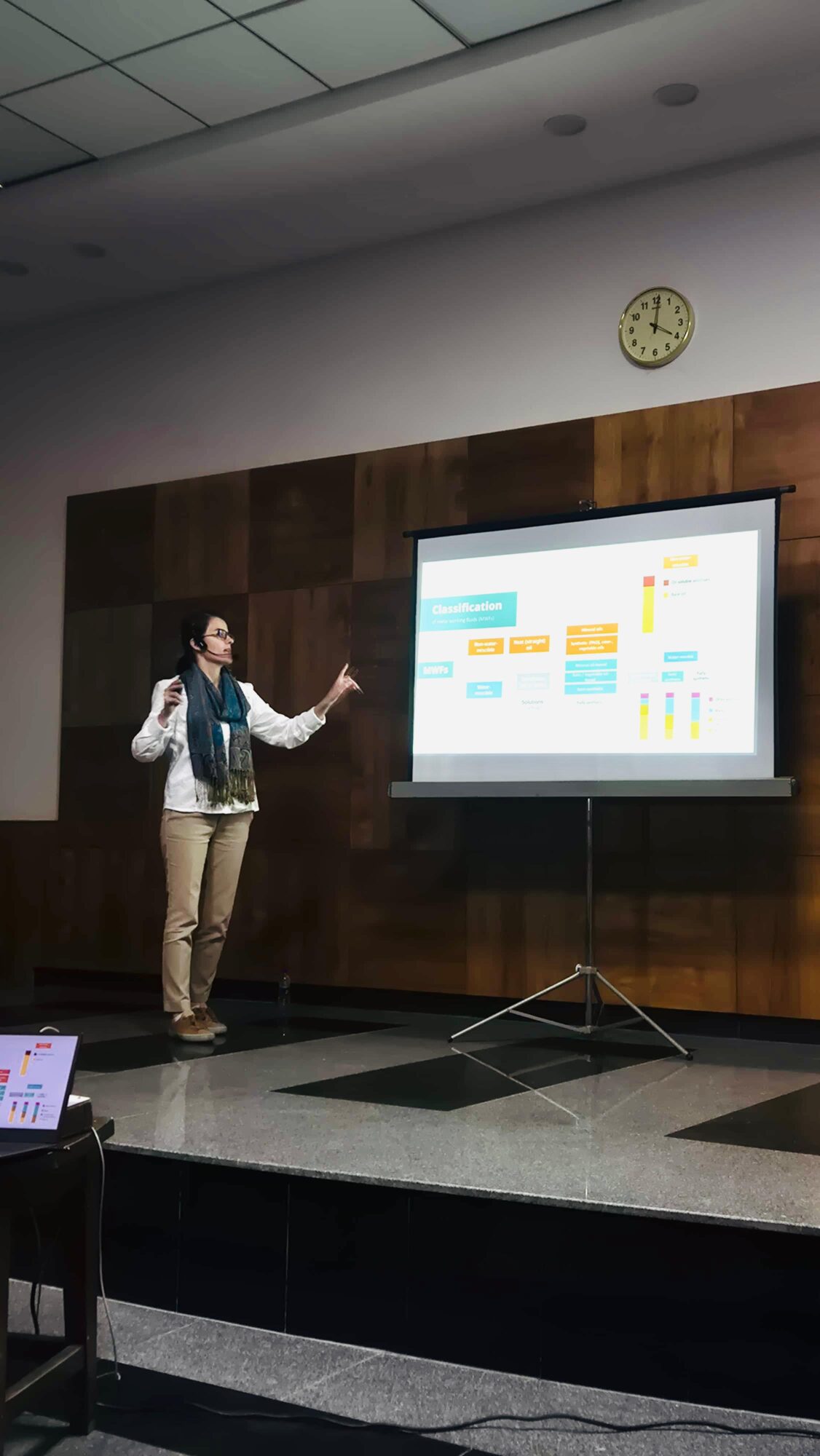
On 18 February 2026, members of our consortium visited the Punjab Engineering College (PEC) in Chandigarh, India, to present our ongoing research as part of the prestigious DST PURSE Expert Talk Series.

A collaboration rooted in history
This visit was more than just a technical exchange; it was a celebration of long-standing academic ties. The former Head of PEC previously supervised the PhD of one of our key partners from the University of Birmingham. This personal connection served as a powerful reminder that the most impactful international research often grows from deep-rooted, collaborative foundations.
Expert Perspectives on Safe and Sustainable Design (SSbD)
During the event, partners from FHI, GreenDelta, and Motorex shared their unique lenses on the future of lubricants and metalworking fluids:
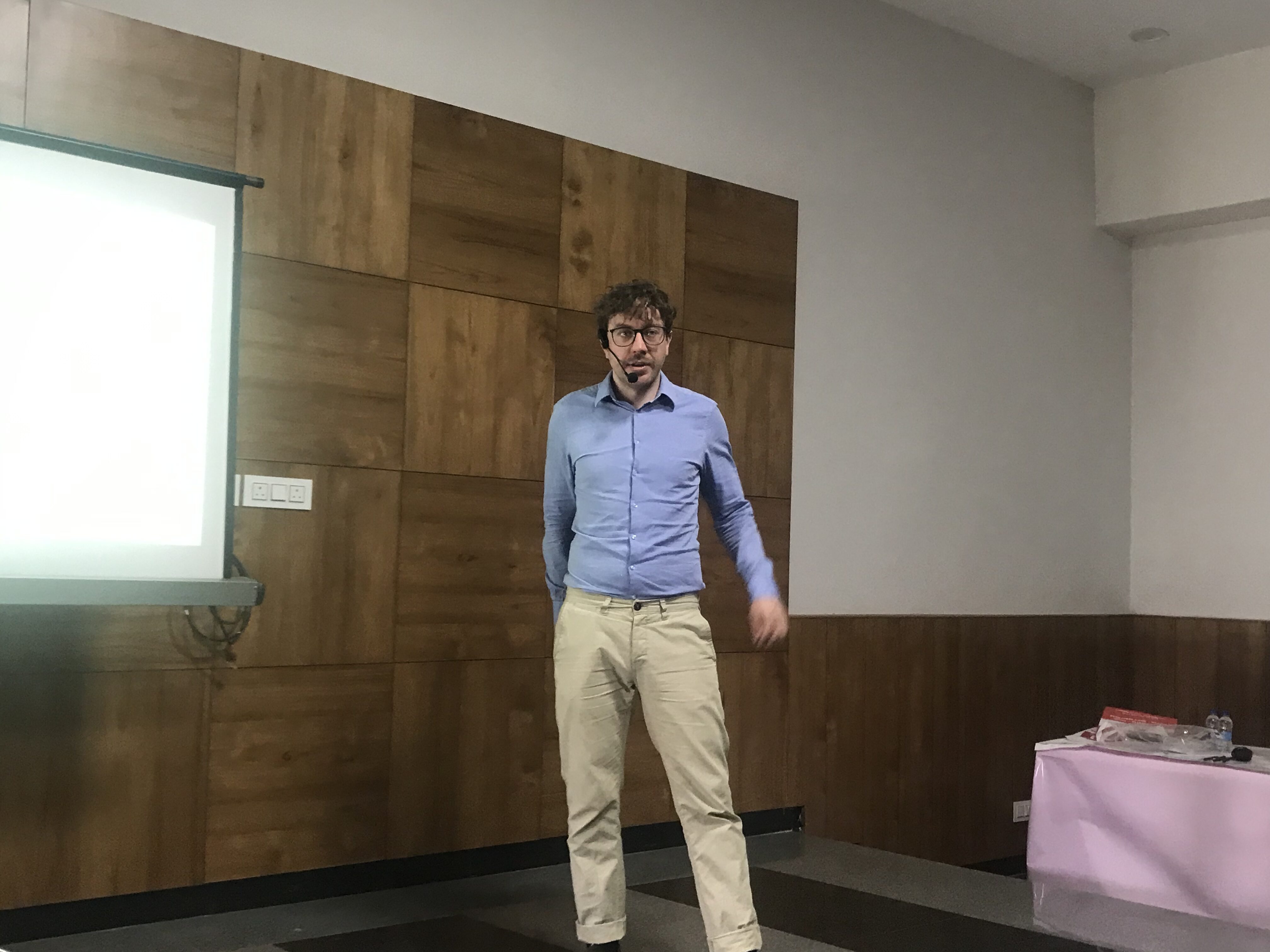
Policy as a Catalyst: Davide Don (FHI) opened the session by exploring the “policy playground.” He introduced the concept of leveraging product regulation not just as a hurdle to clear, but as a primary driver for improved product design.
The Power of Life Cycle Assessment: Dr. Jonas Hoffmann (GreenDelta) demonstrated the practical side of sustainability. Using openLCA, he highlighted how modeling a product’s full life cycle, specifically the use and end-of-life phases, allows for truly informed environmental decisions.
The Industrial Reality: Dr. Parvin Zare (Motorex) provided a vital industrial perspective. She outlined the current regulatory challenges facing metalworking fluids and discussed the technical and policy-related pathways required to move the industry forward.
Adapting Principles to the Global Context
One of the most rewarding aspects of the day was the dialogue regarding the global dimension of sustainable development. The presentations sparked a deep dive into how European regulatory approaches and sustainability principles can be meaningfully adapted and applied within the Indian context.
Beyond the lecture hall, a guided tour of PEC’s research facilities and several informal exchanges further strengthened the bond between our industrial partners and the academic community in Chandigarh.
We extend our sincere thanks to Punjab Engineering College for their warm hospitality and for an inspiring day of academic exchange.
